
Ski Bus vs Driving from NYC: What’s Cheaper and More Convenient?
- How Much Does a Ski Bus from NYC Cost?
- What Does Driving from NYC Really Cost?
- Ski Bus vs Car for One Person
- When Driving Becomes Cheaper
- Mountain Creek: Bus or Drive?
- Hunter Mountain: The Convenience Gap Gets Bigger
- Belleayre: Similar Distance, Different Experience
- Winter Weather Changes the Equation
- Which Option Is More Convenient?
- Who Should Take the Ski Bus?
- Ski Bus vs Driving from NYC: Final Verdict
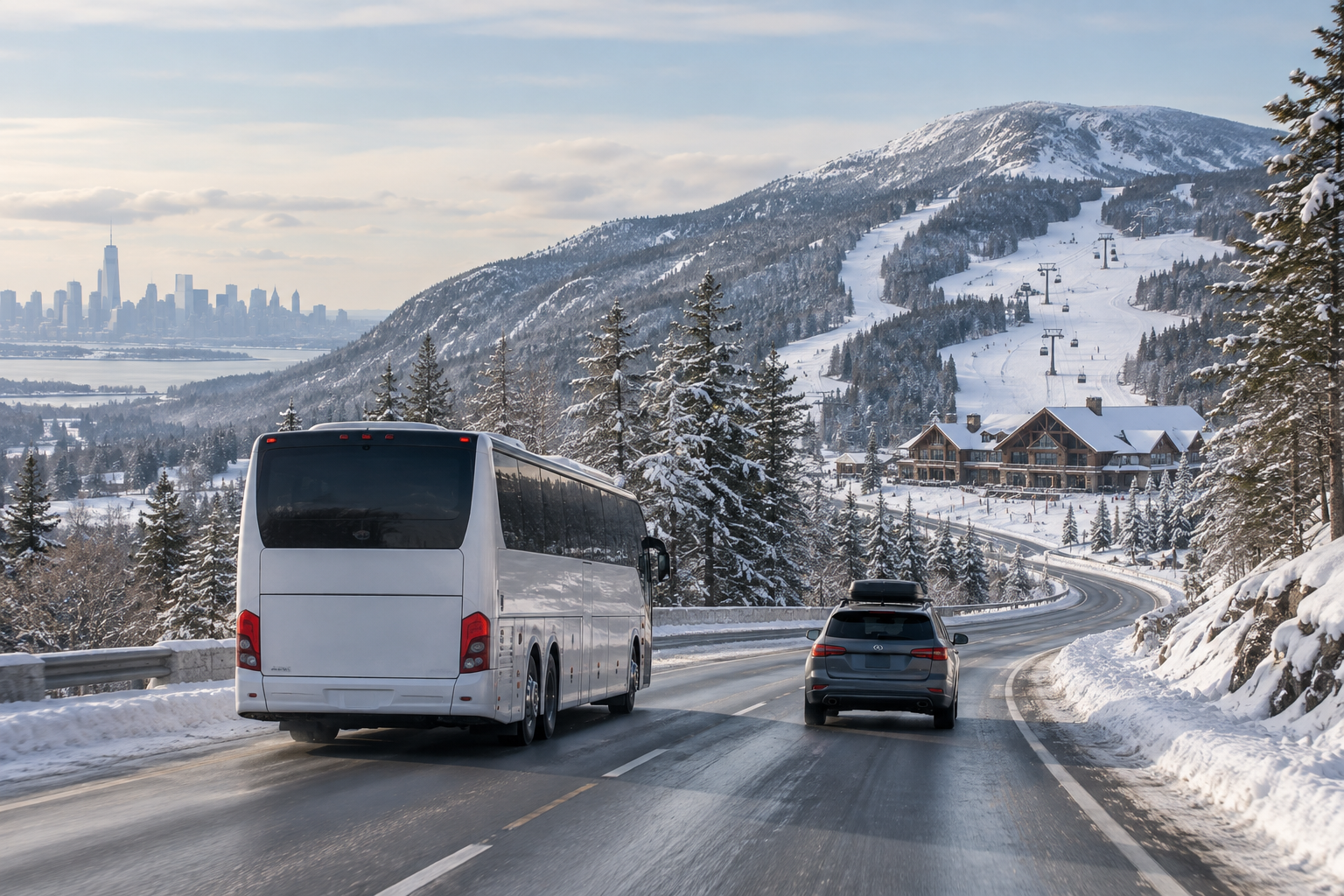
A day of skiing from New York City sounds simple until transportation enters the equation. You can load your skis into a car and drive yourself, or you can reserve a seat on a ski bus and let someone else handle the road.
At first glance, driving may seem cheaper. You already have a car, so why pay for a bus ticket? In reality, the comparison is more complicated. Gas, tolls, parking, vehicle mileage, winter road conditions, traffic, and driver fatigue all affect the real cost of a ski trip.
For a group of three or four people, driving can be very economical because the cost is shared. For a solo skier, however, a ski bus can be surprisingly competitive, particularly for longer trips into the Catskills.
How Much Does a Ski Bus from NYC Cost?
Transportation-only ski bus prices vary by destination and operator. At the time of this comparison, published Comfort Ski round-trip fares from NYC are approximately:
| Ski Resort | Approx. Round-Trip Bus Fare | Approx. Drive from NYC |
|---|---|---|
| Mountain Creek | $45 | 47 miles each way |
| Hunter Mountain | $59 | About 2.5 hours each way |
| Belleayre Mountain | $69 | About 2.5 hours each way |
A 4% transaction fee is also listed for these trips. Published schedules and fares should always be checked before booking because ski transportation is seasonal and departure dates can change. Mountain Creek describes itself as only 47 miles from New York City, while Hunter and Belleayre both describe the trip from NYC as roughly 2.5 hours under normal conditions.
The important difference is that the bus price is essentially your transportation cost. You are not personally paying for fuel, putting mileage on your vehicle, navigating mountain roads, or driving home after several hours of skiing.
The cheapest transportation option is not always the option with the lowest ticket price. Your energy, driving responsibility, and vehicle expenses have value too.
This becomes particularly important on a same-day ski trip, where transportation and skiing can easily turn into a 12 to 15 hour day.
What Does Driving from NYC Really Cost?
To compare the two options fairly, consider a typical gasoline vehicle getting around 28 mpg.
Using a New York regular gasoline price of approximately $4.36 per gallon, which was the AAA statewide average on September 11, 2026, estimated fuel costs look roughly like this:
- Mountain Creek: about 94 miles round trip, or roughly $20 in gasoline.
- Hunter Mountain: approximately 240 to 250 miles round trip, or roughly $43 to $45 in gasoline.
- Belleayre Mountain: approximately 260 to 270 miles round trip, or roughly $46 to $48 in gasoline.
Those numbers make driving look inexpensive, but gasoline is only the first expense.
Depending on your route, you may also pay bridge, tunnel, New York State Thruway, or New Jersey tolls. For example, Port Authority crossings between New Jersey and New York charge vehicles entering New York, while travel toward New Jersey is toll-free at those crossings. The current George Washington Bridge Toll by Mail rate for a Class 1 vehicle is $23.30, although eligible E-ZPass users may pay less.
You should also consider:
- vehicle depreciation and added mileage;
- tire wear;
- brakes and maintenance;
- windshield washer fluid and winter preparation;
- potential paid parking;
- the cost of getting your car out of Manhattan, depending on where you live;
- the possibility of delays that increase fuel consumption.
There is no single correct dollar figure for vehicle wear because it depends heavily on the car. Still, it should not be treated as zero. As a useful comparison, the IRS business mileage benchmark increased to 76 cents per mile for the second half of 2026. That rate is not designed to calculate the cost of a personal ski trip, but it demonstrates how much higher total vehicle operating costs can be when depreciation and other expenses are considered instead of gasoline alone.
Ski Bus vs Car for One Person
For a solo skier, the financial comparison is surprisingly close.
A Mountain Creek driver might spend around $15 on fuel, plus the cost of returning across a Hudson River crossing and any optional parking expense. A $45 bus ticket plus the published transaction fee is therefore not dramatically more expensive.
For Hunter Mountain, roughly $38 to $40 in fuel plus tolls begins to approach the approximately $59 bus fare.
Belleayre is similar. Fuel alone may be around $42, while the published bus fare is approximately $69.
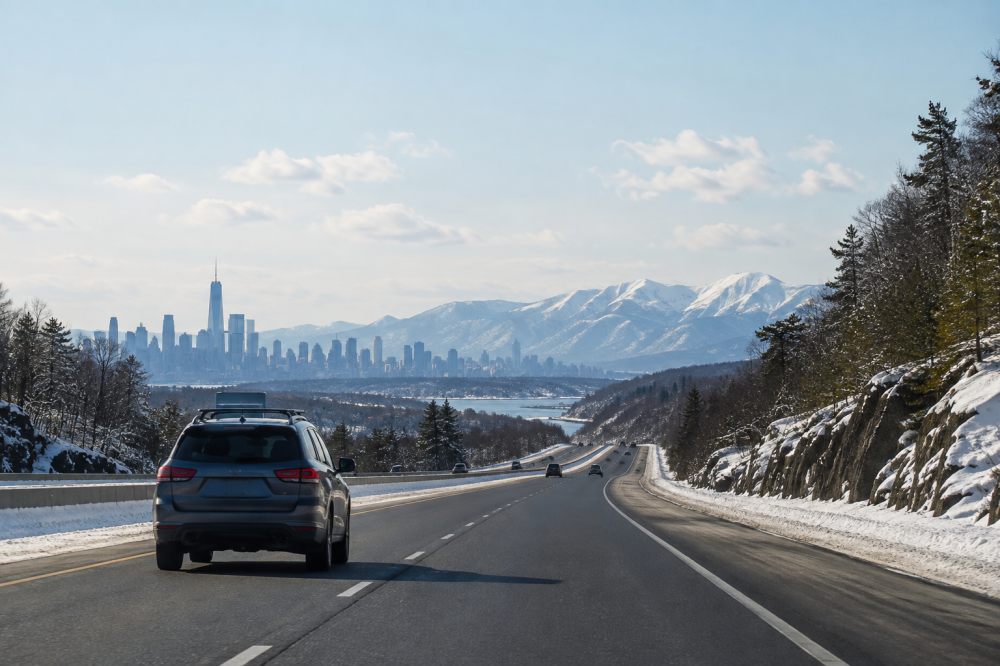
For one person, driving may still win on immediate cash expenses, but the difference can become small enough that avoiding five hours behind the wheel is worth more than the savings.
There is another consideration. After skiing for six or seven hours, the driver still has to drive all the way back to New York City. A bus passenger can sleep, rest, use a phone, talk with friends, or simply recover.
That convenience becomes much more valuable after a physically demanding day.
When Driving Becomes Cheaper
The economics change quickly when several people share one vehicle.
Assume a trip to Hunter costs approximately $55 to $70 in fuel and route-dependent tolls. The approximate transportation cost per passenger would be:
- One person: $65 to $84.
- Two people: $32.50 to $42 each.
- Three people: about $22 to $29 each.
- Four people: about $17 to $21 each.
Once three or four people occupy the car, a bus generally cannot compete with the vehicle on direct transportation cost alone.
The same principle is especially noticeable for Mountain Creek because it is much closer to New York City.
This leads to a practical rule: driving usually makes the most financial sense for an established group, while a ski bus becomes more attractive for solo travelers and people who do not already have a convenient car available.
Mountain Creek: Bus or Drive?
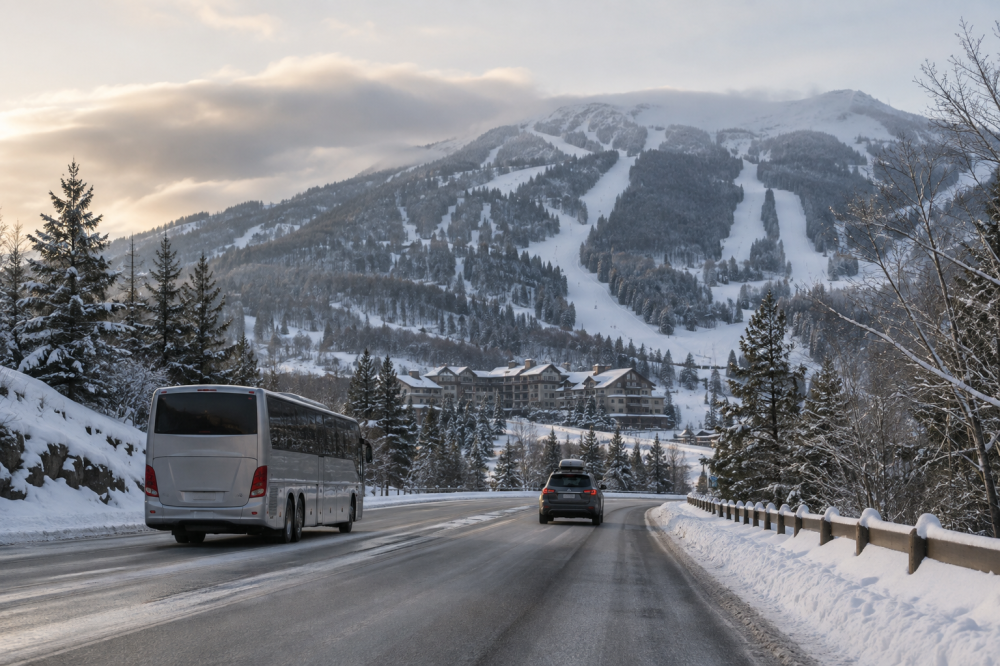
Mountain Creek is the easiest of these three mountains to justify driving to. The resort is only about 47 miles from New York City, making it considerably closer than the Catskills destinations.
General parking is available free, while preferred parking options can add roughly $20 to $50 depending on the lot and current offering.
Driving is particularly attractive when:
- two or more people are sharing the car;
- you want complete control over departure time;
- you plan to stay later or leave early;
- you have your own equipment and enough cargo space;
- weather and road conditions are favorable.
However, a skier traveling alone from Manhattan may prefer organized Mountain Creek ski transportation from NYC. The listed $45 round trip removes the need to navigate traffic, find parking, or drive back into New York after a long day on the slopes.
For a solo skier, Mountain Creek is therefore less about saving money and more about choosing between flexibility and convenience.
Hunter Mountain: The Convenience Gap Gets Bigger
Hunter changes the calculation because the trip is considerably longer. The resort estimates the drive from New York City at approximately 2.5 hours, before heavy traffic or winter weather is considered. Hunter also currently provides free same-day parking.
That means a day trip can involve approximately five hours of driving plus a full day of skiing.
The advantages of taking the car are straightforward:
- greater schedule flexibility;
- potentially lower cost for couples and groups;
- easy access to clothing, food, and equipment stored in the vehicle;
- freedom to stop along the route;
- ability to change plans during the day.
The disadvantages become more significant after skiing. Someone in the group has to stay alert for the entire return trip.
For an individual skier or someone who does not want that responsibility, ski bus transportation to Hunter Mountain provides a strong alternative. The currently published round-trip transportation price is $59 before the listed transaction fee.
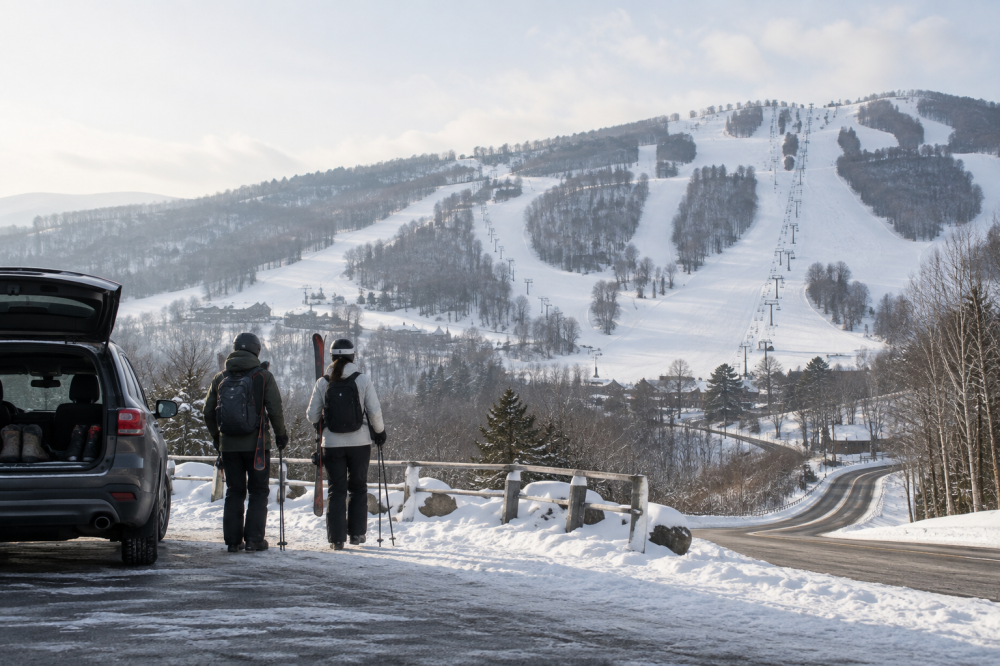
In my assessment, Hunter is close to the point where the bus becomes the more sensible choice for a solo day trip, even when driving might save a few dollars.
Belleayre: Similar Distance, Different Experience
Belleayre is approximately 2.5 hours north of New York City, with common estimates placing the drive at roughly 130 to 135 miles each way. General parking at Belleayre is currently free and available on a first-come, first-served basis. Weekend parking shuttles also operate between the parking areas and the mountain.
For drivers, the advantages are similar to Hunter. A group can divide fuel and toll expenses, making the cost per passenger relatively low.
For an individual traveler, however, roughly 260 miles of round-trip driving is significant.
Saving $15 or $20 becomes less impressive when the alternative requires you to personally drive another 130 miles after spending the day skiing.
Travelers who prefer to make transportation part of the organized trip can consider NYC ski bus transportation to Belleayre Mountain. The currently published round-trip price is approximately $69 before the listed transaction fee.
Here again, the bus is not necessarily the absolute cheapest choice. Its advantage is that virtually the entire transportation burden is transferred away from the skier.
Winter Weather Changes the Equation
A normal highway drive and a Catskills drive during active snowfall are not the same thing.
New York State DOT specifically warns that winter driving conditions can change rapidly and recommends checking road conditions, allowing extra travel time, maintaining the vehicle properly, and carrying emergency supplies. NHTSA also notes that snow, sleet, and ice make controlling and stopping a vehicle more difficult.
For drivers, that means thinking about more than whether the car has all-wheel drive.
Before choosing to drive, consider:
- Tire condition and whether the tires are appropriate for winter travel.
- Forecast conditions not only in NYC but also near the mountain.
- Your experience driving on snow-covered mountain roads.
- Visibility during the return trip.
- How tired you are likely to be after skiing.
- Whether another experienced driver can take over if necessary.
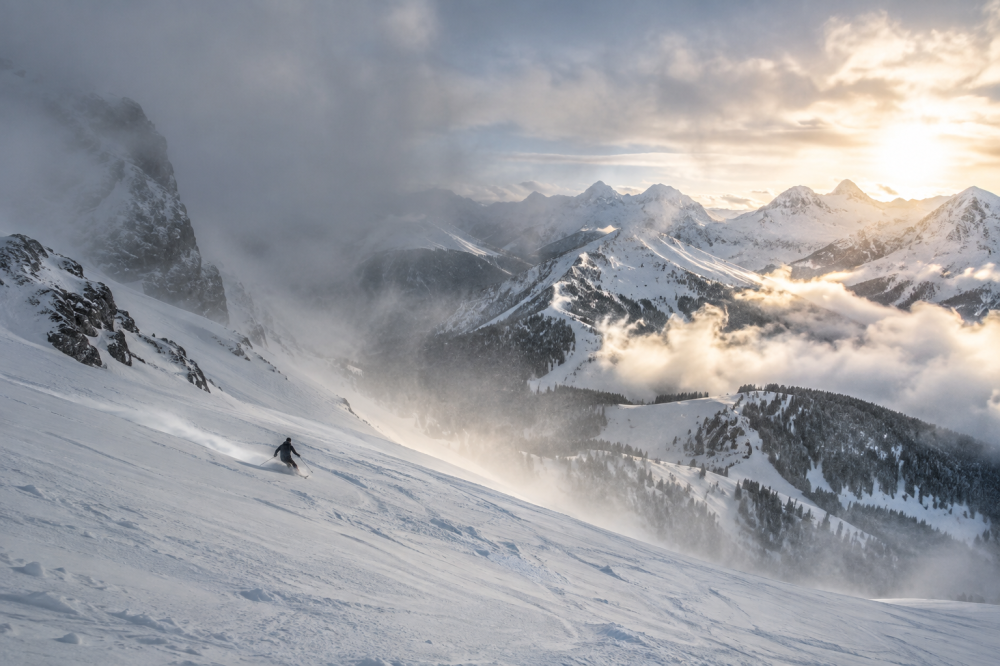
On a clear winter morning, driving may be easy. During snow, freezing rain, or rapidly changing mountain weather, having a professional driver can become one of the strongest arguments for taking a ski bus.
Which Option Is More Convenient?
A car wins on schedule flexibility.
You can leave NYC whenever you want, stop for breakfast, arrive before the lifts open, change resorts, stay for dinner, or head home early.
A ski bus wins on effort.
There is no navigation, no parking search, no toll calculation, and no need to remain alert during the return journey. Ski and snowboard equipment can typically travel with the group, so passengers can treat the transportation portion as downtime instead of another task.
There is also a social difference. Solo travelers can take a ski bus without organizing a group first, while driving alone can make an already long day feel even longer.
Who Should Take the Ski Bus?
A ski bus is usually the stronger choice for:
- solo skiers and snowboarders;
- Manhattan residents who do not own a car;
- visitors to New York without their own vehicle;
- people uncomfortable with winter mountain driving;
- skiers who expect to be physically tired after the day;
- travelers who want predictable transportation expenses;
- groups where nobody wants to be the designated driver.
Driving is usually the stronger choice for people who already have a suitable vehicle, especially when two, three, or four passengers can split the expenses.
Ski Bus vs Driving from NYC: Final Verdict
There is no universal winner.
If four friends are traveling together in one vehicle, driving will almost always be cheaper per person on direct out-of-pocket transportation costs. Even after gasoline and tolls, dividing the bill among several passengers makes the individual cost difficult for a commercial bus ticket to beat.
For a solo skier, the decision is much closer. Driving may occasionally save $10, $20, or even a little more, but the skier assumes the entire responsibility for traffic, navigation, winter conditions, vehicle mileage, parking, and the drive home.
For Mountain Creek, driving has the strongest financial argument because the resort is relatively close to New York City. For Hunter and Belleayre, the longer distance makes ski bus transportation increasingly attractive.
The best way to make the decision is to ask two questions: How many people are sharing the transportation cost, and how much is avoiding five hours of driving worth to you?
If the answer to the first question is three or four people, take a serious look at driving. If you are traveling alone and would rather arrive rested and sleep on the way home, paying a modest premium for the ski bus can easily be the better overall value.